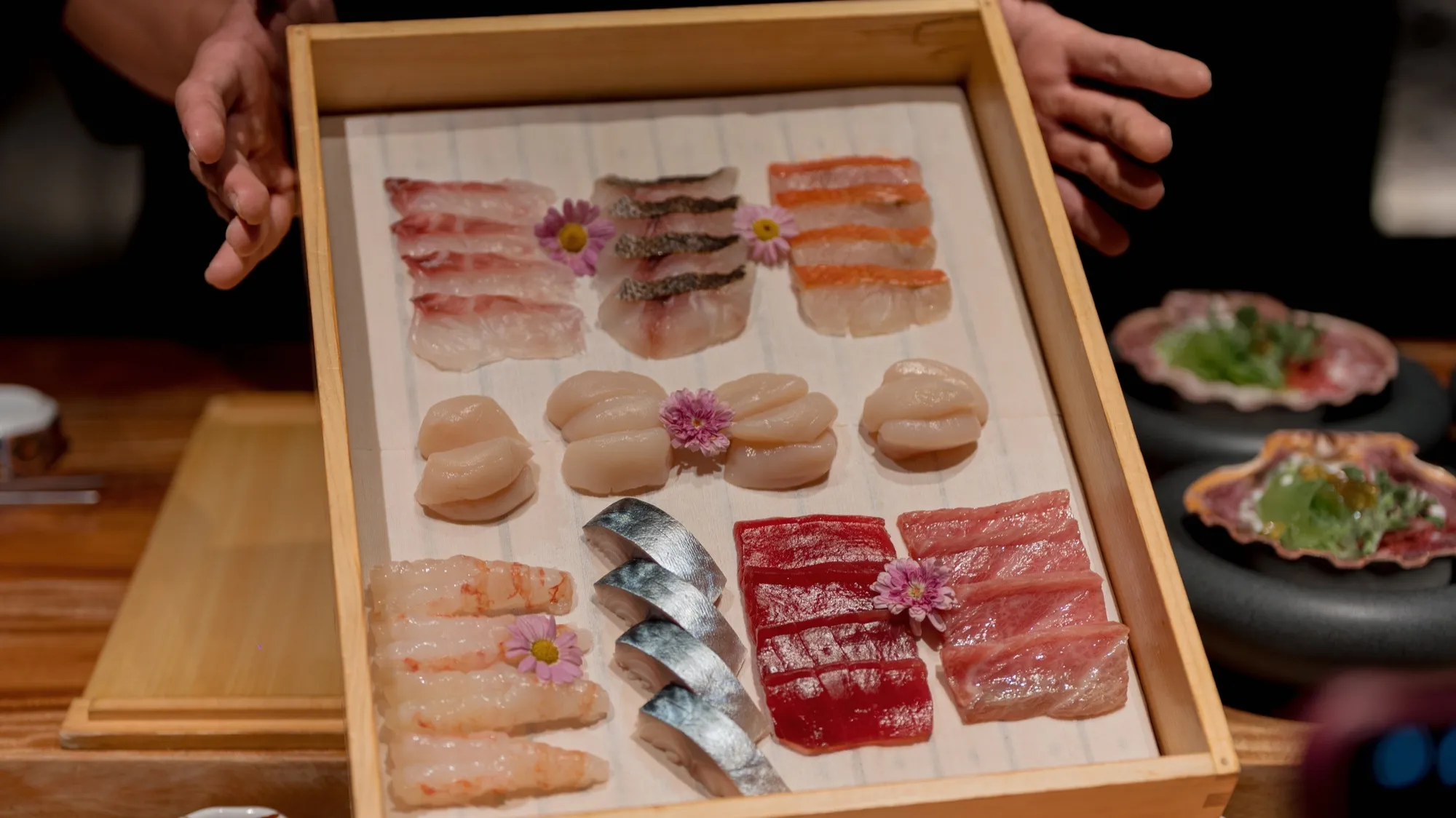



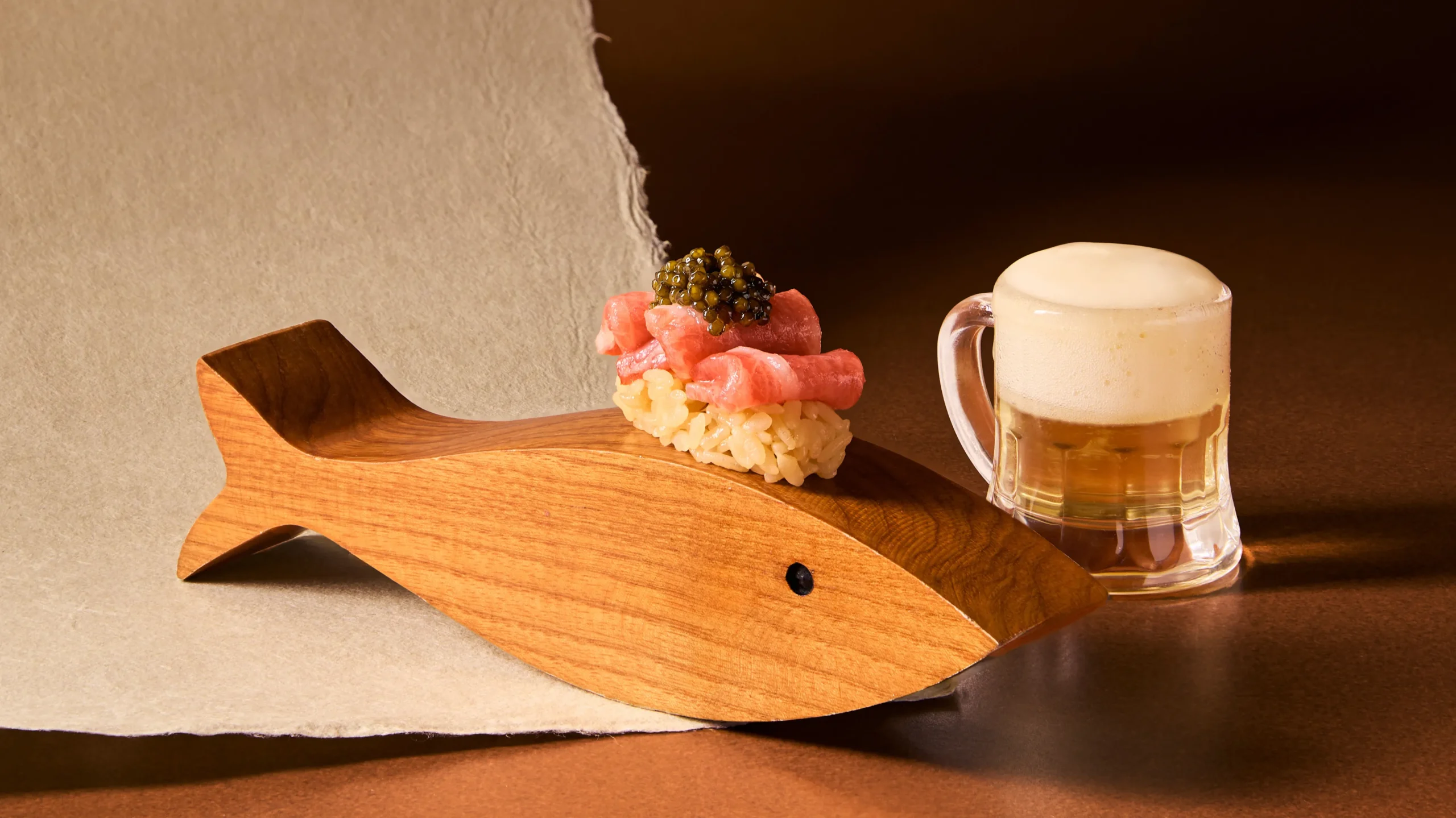
In a piece of Sushi, the rice (Shari) determines 60–70% of its overall quality. Yuzu Omakase selects top-tier Kurobe Koshihikari rice from Toyama Prefecture. Why Does Shari Rice Determine 70% of a Sushi’s Quality? Connoisseurs often focus on fresh fish, but Master Chefs evaluate culinary mastery through the Shari rice. A great piece of Nigiri… Continue reading The Secret Behind Yuzu Omakase’s Signature Shari: The Precious Kurobe Koshihikari Rice
Daily Blogs ● 2026 Sep 9
In a piece of Sushi, the rice (Shari) determines 60–70% of its overall quality. Yuzu Omakase selects top-tier Kurobe Koshihikari rice from Toyama Prefecture.
Connoisseurs often focus on fresh fish, but Master Chefs evaluate culinary mastery through the Shari rice. A great piece of Nigiri requires rice with just enough cohesion to hold its shape around the fish, yet airy enough to gently yield on the palate. To achieve this standard, Yuzu Omakase exclusively uses premium Kurobe Koshihikari rice imported directly from Toyama Prefecture, Japan.

This rice thrives in the alluvial fan of the Kurobe River, nourished entirely by pure snowmelt flowing from the Northern Japan Alps. Thanks to traditional soil enrichment techniques and the region's significant day-night temperature variations, the rice grains accumulate exceptional starch density. In fact, up to 96.9% of the harvest in Kurobe achieves Grade 1 certification, ensuring superior and consistent quality.
Kurobe Koshihikari rice boasts glossy, sticky grains that retain their natural sweetness even as the temperature cools—a critical trait since sushi is never served hot. The subtly sweet rice serves as a refined foundation, highlighting the rich umami of fresh seafood.

To preserve the rice's integrity, Yuzu Omakase stores the grains in a cool, dry environment away from light and heat sources. Once cooked, the Shari is kept in traditional wooden Ohitsu tubs, covered with a damp cloth, and maintained precisely at human body temperature (30–37°C). The kitchen never refrigerates the rice to prevent starch degradation and mixes it in small batches to ensure every piece of sushi is served in peak condition.
RELATE
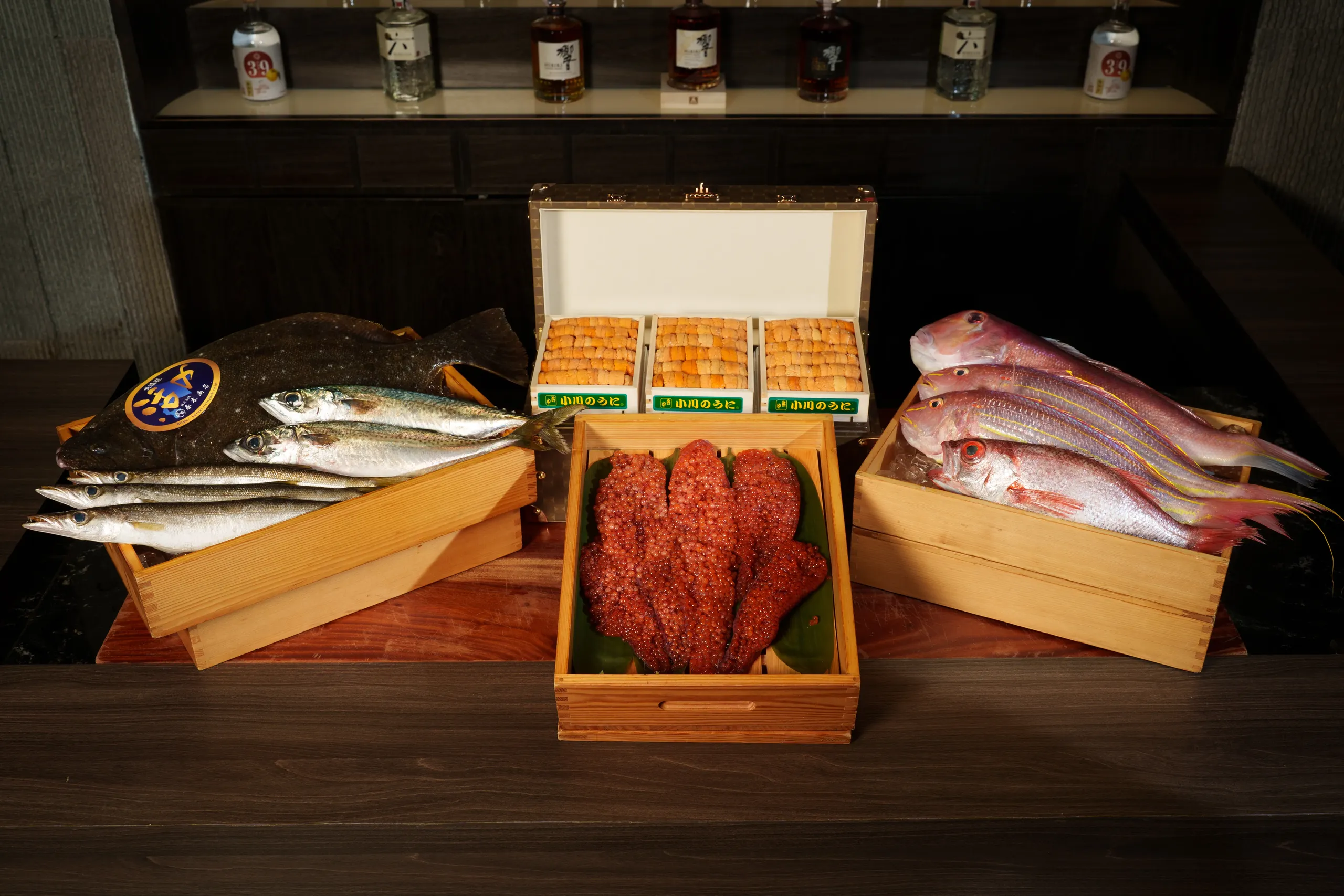
What Makes the Autumn Menu at Yuzu Omakase Special? Autumn marks the primary harvest season in Japan, a time when both seafood and agricultural produce reach their peak freshness and flavor profile. The new Autumn Menu at Yuzu Omakase highlights three core ingredients: Ambience and Dining Experience At Yuzu Omakase, guests not only savor exquisite… Continue reading Menu AUTUMN 2026: Experience Autumn in Japan at Yuzu Omakase HCM
Daily Blogs ● 2026 Sep 4
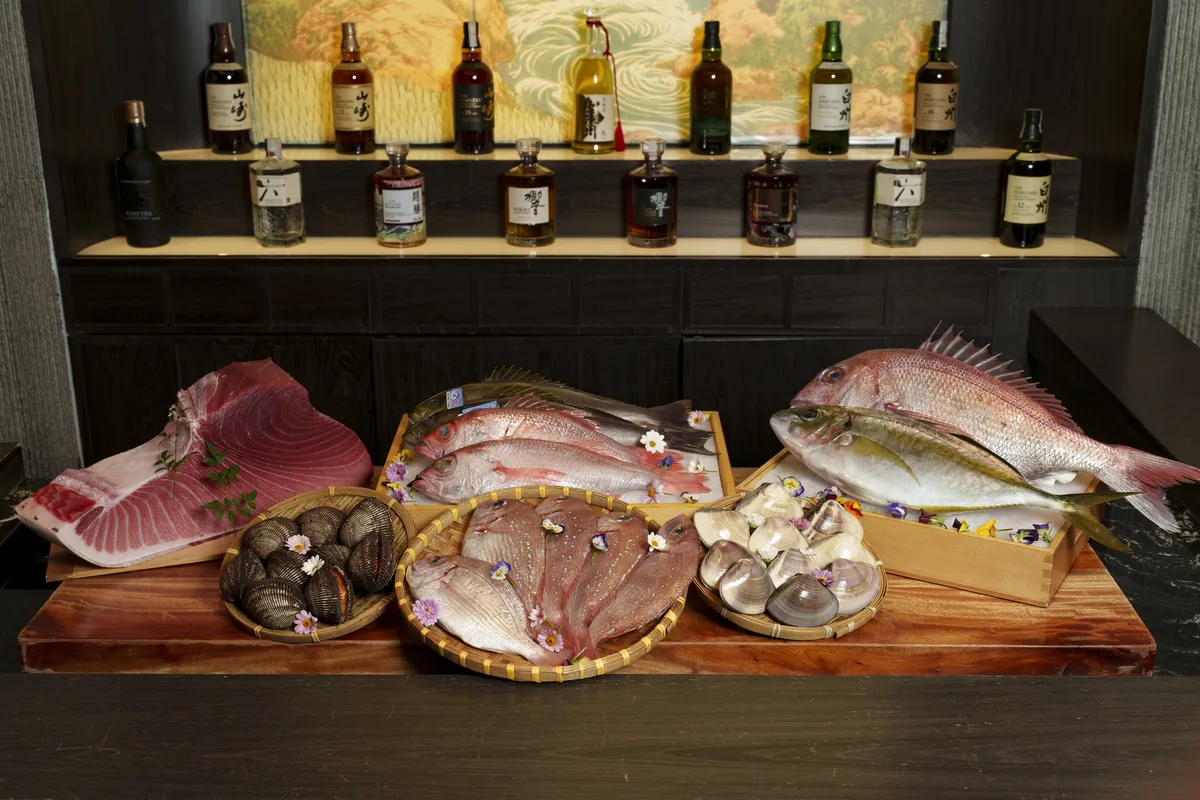
Shattering all boundaries of traditional Omakase, Yuzu Omakase proudly presents the Spring Summer 2026 Menu - a bold affirmation of our pioneering role in Vietnam's Omakase Fusion scene. Bringing not only the season's most "peak" ingredients, this is a Theatrical Dining journey where each dish is a visual masterpiece designed to deceive the eye and elevate every emotion of the diner.
Daily Blogs ● 2026 Apr 17
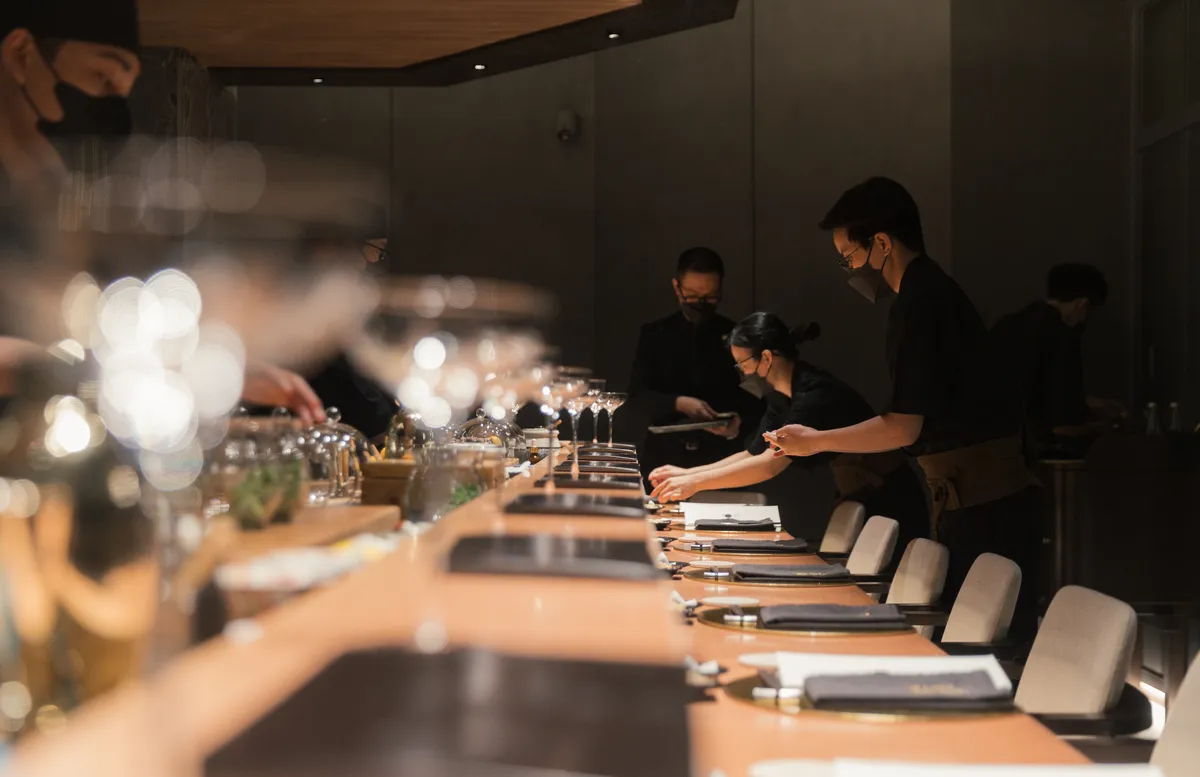
An Authentic Culinary Experience with a Modern Flair While classical Omakase is often associated with austere beauty and rigid rules, Yuzu Omakase ゆずお任せ embraces a profoundly liberating path. We preserve the foundational techniques of traditional Japanese sushi crafting while simultaneously breathing a captivating contemporary spirit into them. Diners will be pleasantly surprised by the audacious… Continue reading Why is Yuzu Omakase ゆずお任せ the Destination for the Elite?
Daily Blogs ● 2026 Mar 27