



At Yuzu, every course begins long before it reaches the counter. Behind each carefully composed bite is a series of decisions shaped by technique, seasonality, precision, and a deep respect for the ingredients.
Daily Blogs ● 2026 Oct 20
With 10 years of culinary experience, Chef Trí — Trần Nguyễn Cao Trí — brings a considered approach to Japanese cuisine, combining traditional Japanese seafood-handling techniques with a contemporary culinary perspective.
His professional foundation includes a Certificate IV in Kitchen Management from Daffodil Institute of Trades (Mintu Educational College Pty Ltd), complementing the practical experience he has developed throughout his culinary career.
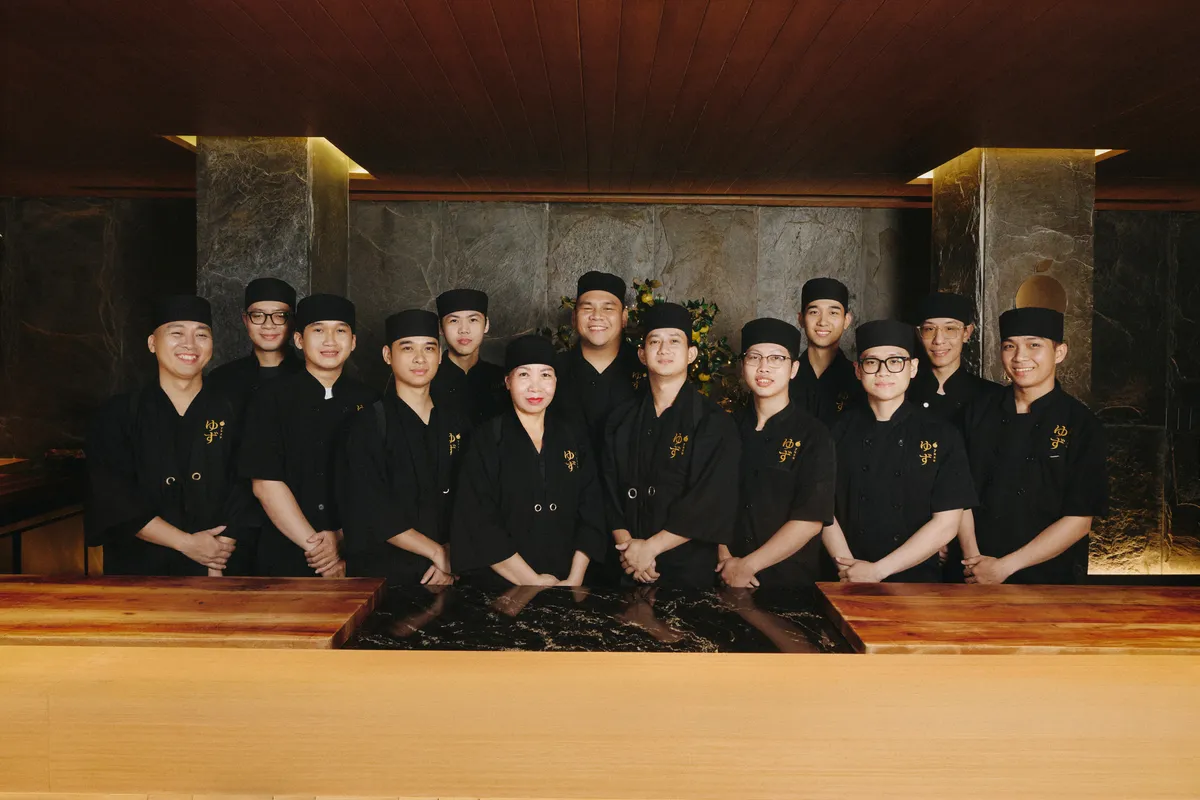
For Chef Trí, however, the pursuit of excellence is never defined by experience alone. It is reflected in the consistency of every preparation, the precision of every technique, and the ability to understand how each ingredient contributes to the final experience.
In Omakase, details that may seem almost imperceptible can fundamentally change how a dish is experienced.
Chef Trí pays particular attention to the relationship between Shari — seasoned sushi rice — and Neta, the seafood served with it.
Temperature, moisture, texture, and the way the rice meets the palate all contribute to the balance of each bite.
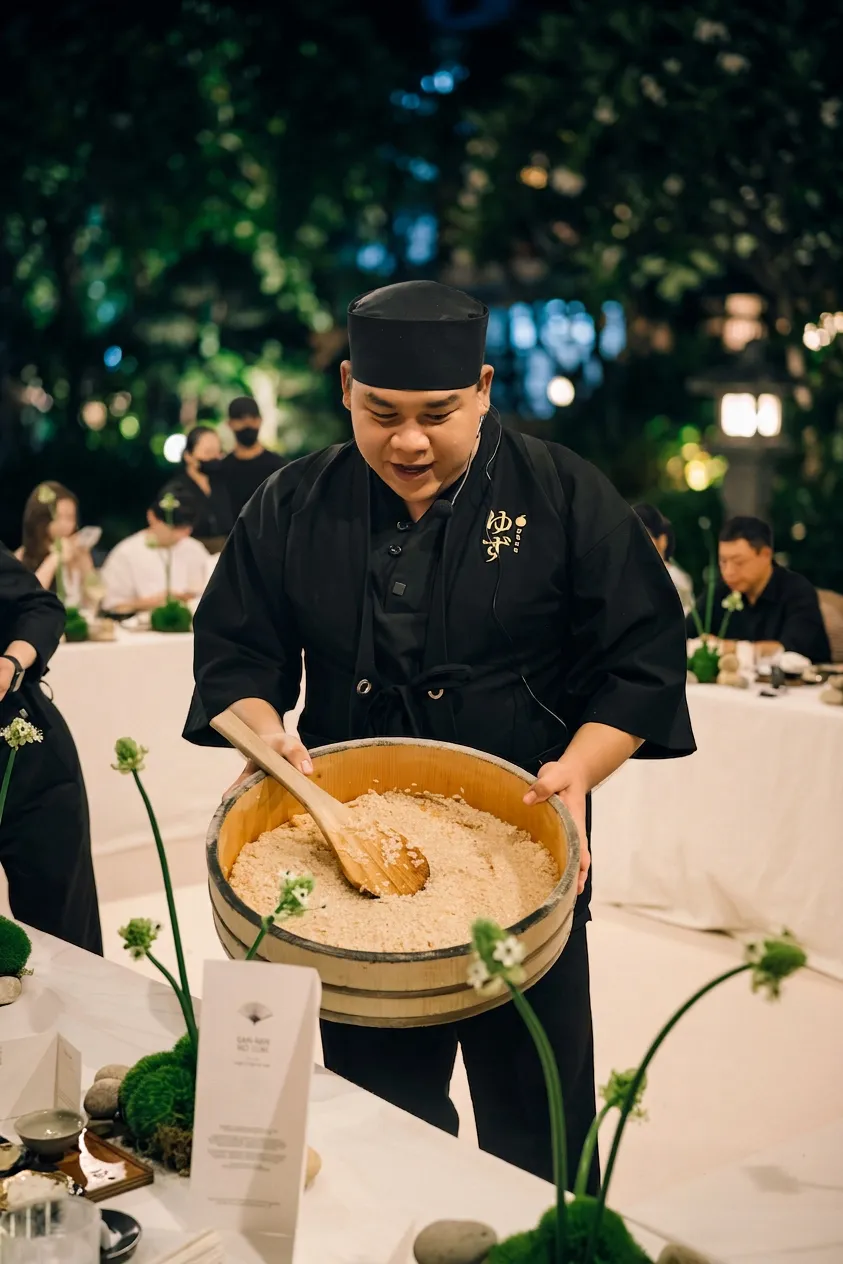
His approach extends beyond technical precision. The rhythm of service, the progression of courses, and the balance of flavours must work together to create an experience that feels natural rather than mechanical.
At Yuzu, craftsmanship is not simply about executing a technique correctly. It is about understanding why each detail matters, and knowing how to bring those details together in a way that allows the ingredients to express themselves.
For Chef Trí, ingredient selection begins with two essential considerations: seasonality (Shun) and provenance.
Each day, seafood is sourced through trusted suppliers, including Toyosu and Osaka Central Market. Beyond freshness, the selection process considers the characteristics of each ingredient — its texture, fat content, aroma, and suitability for a particular preparation.
An experienced Omakase chef must understand not only which ingredient to choose, but also how best to handle it. Different species, cuts, and seasonal conditions require different approaches to preserve their natural qualities.
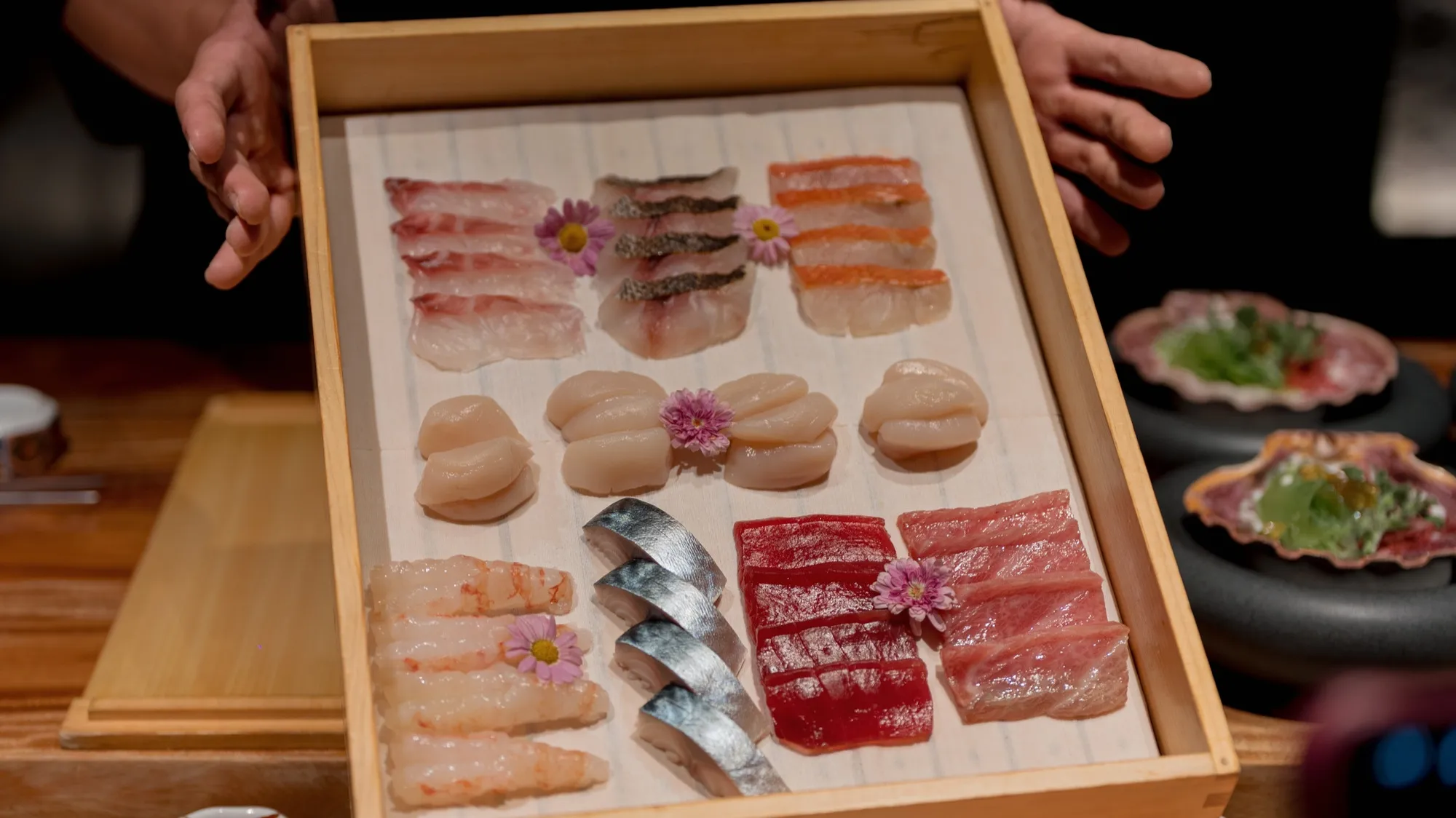
This philosophy also informs the way Yuzu approaches its different set menus. Premium ingredients such as Omi Wagyu A5, Hokkaido Murasaki Uni, and Bafun Uni from carefully selected regions may distinguish certain courses, but ingredient value alone does not define the experience.
Across every menu tier, the same commitment to technique, careful preparation, food safety, and attentive service remains essential.
A seasonal Omakase menu is never a finished formula. It is an ongoing process of observation, experimentation, and refinement.
For Chef Trí and the R&D team, developing a dish involves repeated tastings, feedback, and adjustments. A change in temperature, preparation time, or the balance of flavours can alter the final result significantly.
Each decision must be evaluated as part of the whole: how the ingredient tastes, how its texture develops, how it interacts with other elements, and where it belongs within the progression of a meal.
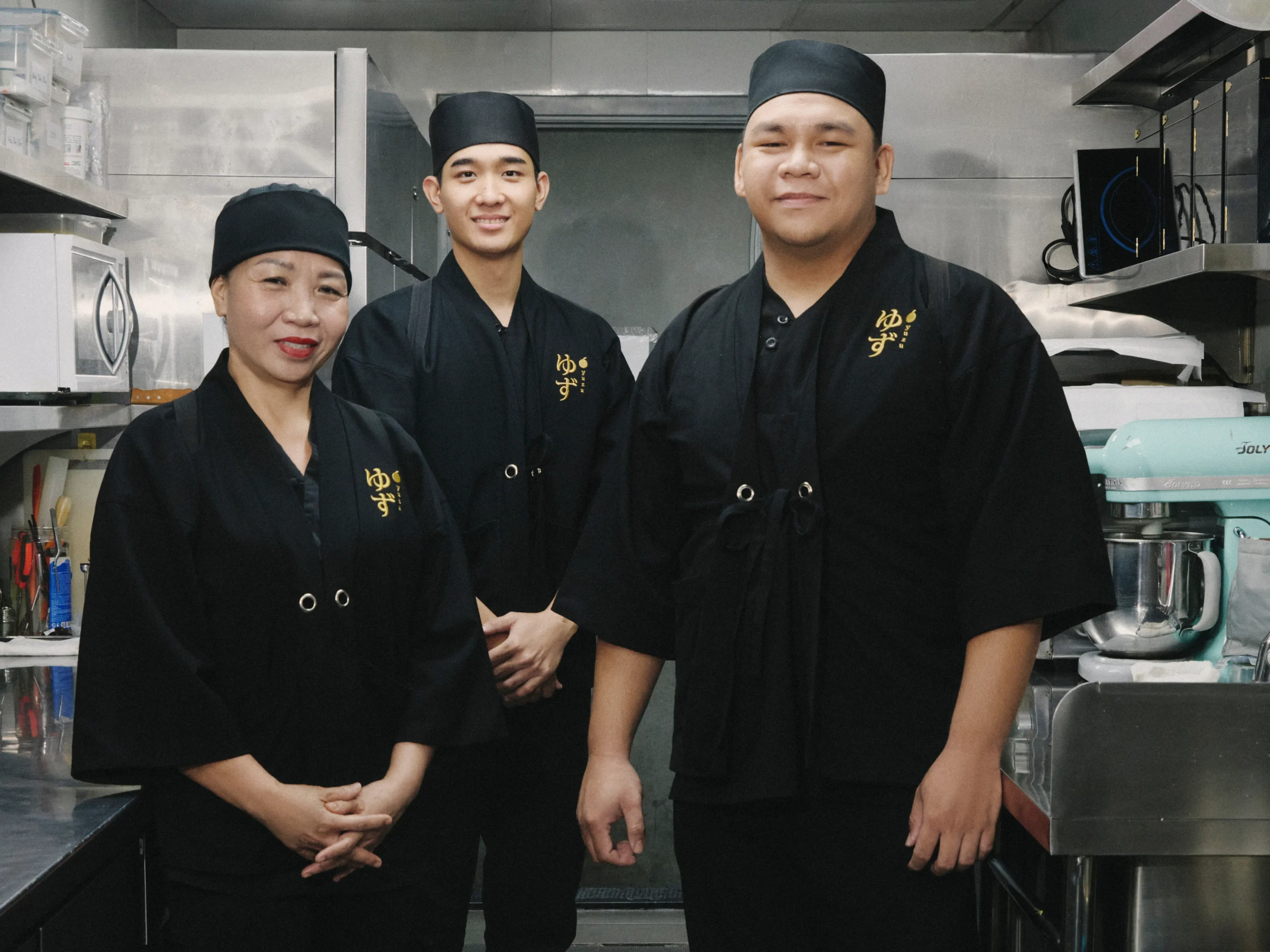
The challenge is not simply to create a dish that tastes good in isolation, but to ensure that it contributes meaningfully to the complete dining experience.
This continuous process of refinement is part of what keeps a seasonal menu evolving while maintaining a consistent standard of execution.
For Chef Trí, Omakase is more than a style of service. It is an expression of trust between the guest and the chef.
When a guest takes a seat at the counter and entrusts the evening to the kitchen, the chef takes on a responsibility that extends beyond preparing food. It means paying attention to the guest's preferences, reading the pace of the experience, and making thoughtful decisions throughout the meal.
The chef must know when to let an ingredient speak for itself, when to introduce a different flavour, and how to guide the guest through a sequence of courses without losing the individuality of each one.
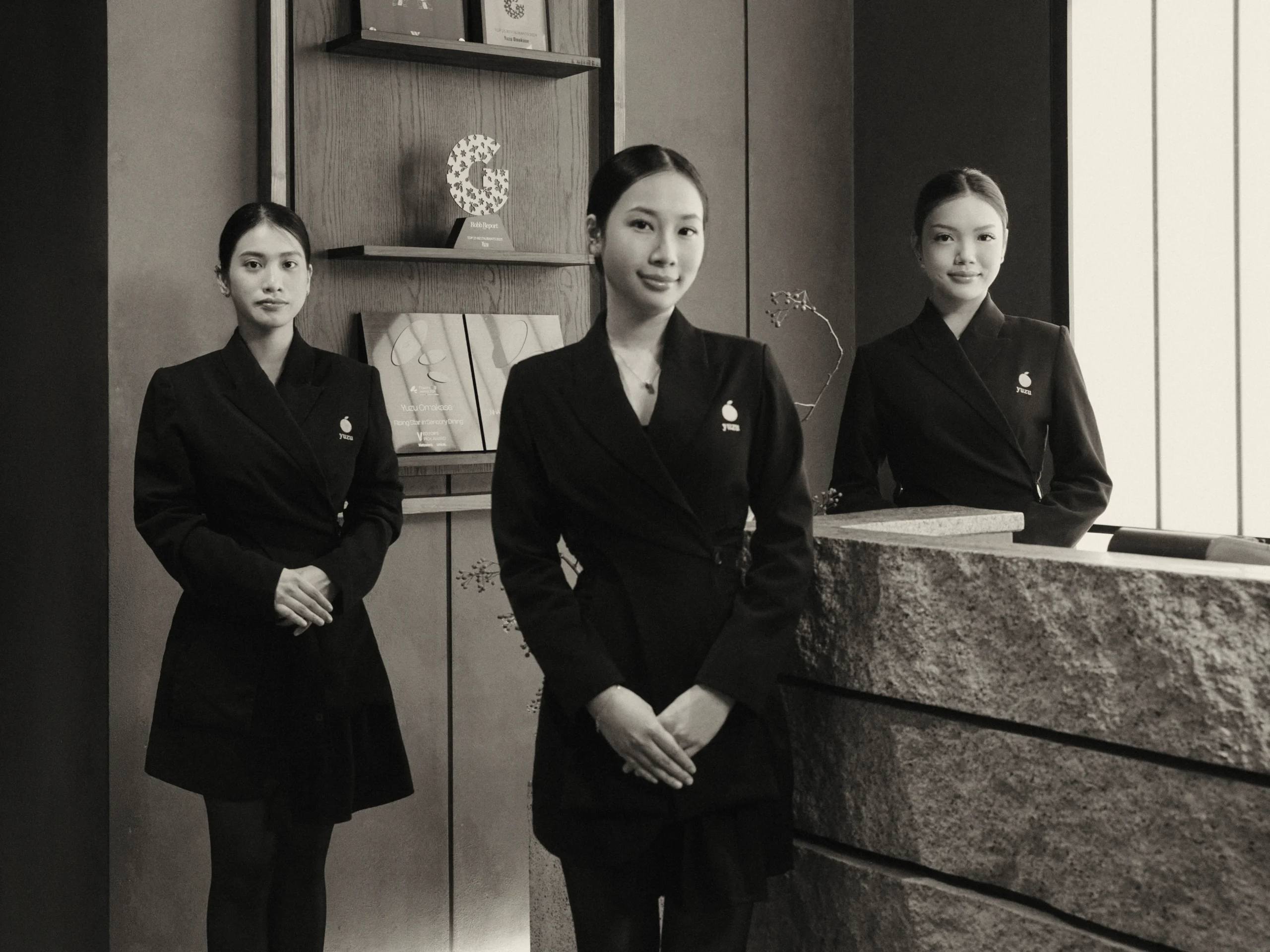
That trust is built through consistency, attentiveness, and the understanding that every guest experiences a meal differently.
At Yuzu, this is the principle that guides Chef Trí's approach to the counter: a respect for the ingredient, a commitment to the craft, and a thoughtful understanding of the person on the other side of it.
Because an exceptional Omakase experience is not defined by a single dish, but by the care, knowledge, and intention behind every course.
RELATE
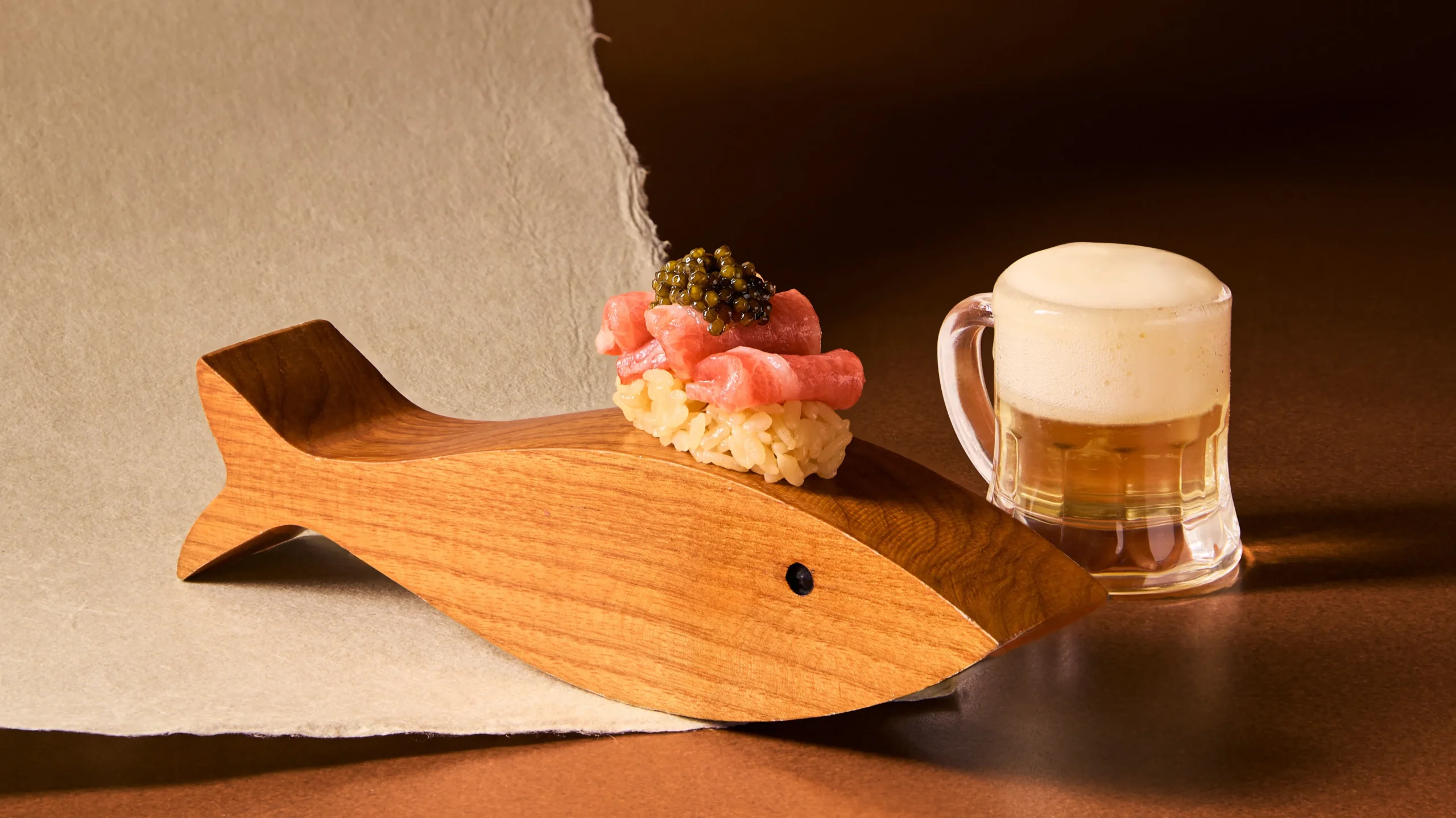
In a piece of Sushi, the rice (Shari) determines 60–70% of its overall quality. Yuzu Omakase selects top-tier Kurobe Koshihikari rice from Toyama Prefecture. Why Does Shari Rice Determine 70% of a Sushi’s Quality? Connoisseurs often focus on fresh fish, but Master Chefs evaluate culinary mastery through the Shari rice. A great piece of Nigiri… Continue reading The Secret Behind Yuzu Omakase’s Signature Shari: The Precious Kurobe Koshihikari Rice
Daily Blogs ● 2026 Sep 9
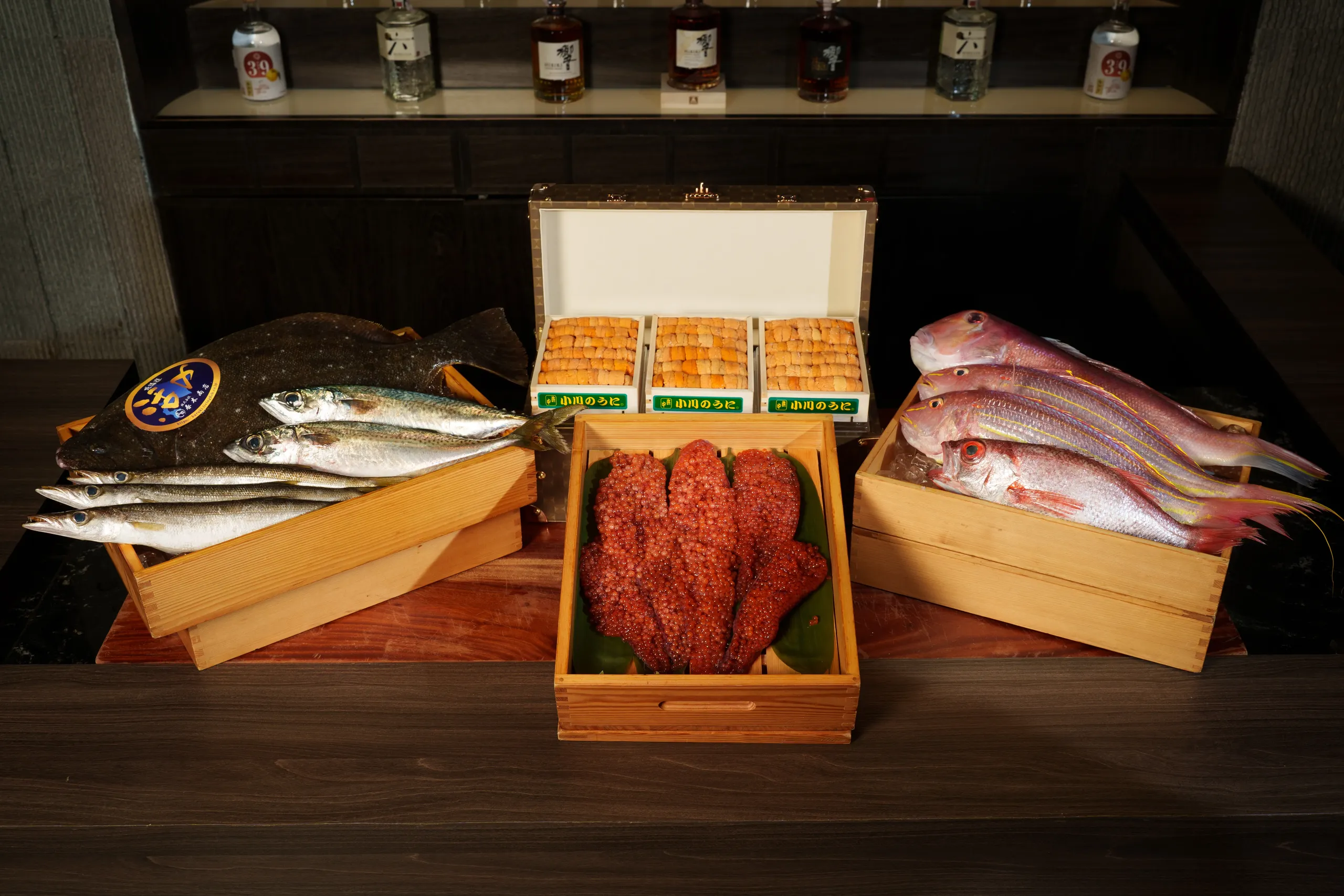
What Makes the Autumn Menu at Yuzu Omakase Special? Autumn marks the primary harvest season in Japan, a time when both seafood and agricultural produce reach their peak freshness and flavor profile. The new Autumn Menu at Yuzu Omakase highlights three core ingredients: Ambience and Dining Experience At Yuzu Omakase, guests not only savor exquisite… Continue reading Menu AUTUMN 2026: Experience Autumn in Japan at Yuzu Omakase HCM
Daily Blogs ● 2026 Sep 4
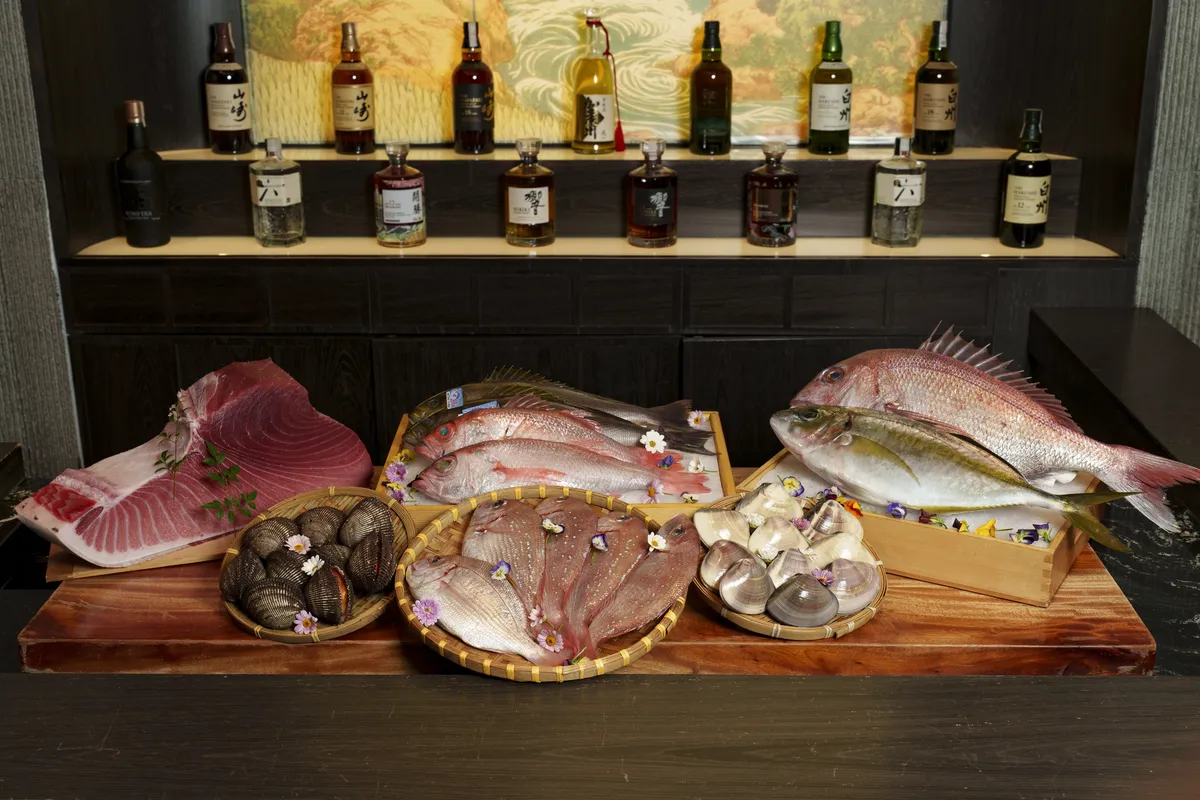
Shattering all boundaries of traditional Omakase, Yuzu Omakase proudly presents the Spring Summer 2026 Menu - a bold affirmation of our pioneering role in Vietnam's Omakase Fusion scene. Bringing not only the season's most "peak" ingredients, this is a Theatrical Dining journey where each dish is a visual masterpiece designed to deceive the eye and elevate every emotion of the diner.
Daily Blogs ● 2026 Apr 17


